The best part of Seoul is the food.
OK, maybe that’s an overstatement…but honestly, I don’t feel it is. Food was the number one thing I looked forward to during my visits to Seoul as a kid—in the 2000s and even into the 2010s, Korean food didn’t have the presence it does now, especially not in the midwest US. Fried chicken? Better in Korea. Kimbap? Definitely better in Korea (and far cheaper). KBBQ? It’s obviously better in Korea.
As this was my first time in Seoul in six years, I was looking forward to eating everything in sight. I wanted to have classic eats as well as try new items that are trendy in Seoul today. After two total weeks in Seoul, I still felt like I hadn’t consumed everything I wanted, but I gave it my best shot. So here’s everything I ate during my trip to Seoul…
When you think “Korean food,” you think of…
When you think of Korean food, what do you think of? There’s a good chance you’re thinking of KBBQ or bibimbap, right?
When I think of Korean food, I (and probably many others) think of 김밥. It’s a fantastic all-purpose dish; it’s fast, it’s portable, it’s got half a dozen flavors in each bite. I had two kimbaps in Seoul, and I actually had them on the same day. The first was a 참치 김밥 at a tiny shop called 올바른 김밥 in Yeonnam-dong. I was a little confused because I’ve never seen green beans in kimbap before, but it gave the kimbap a nice crunch. Tuna kimbap is a classic, and the one here had the best rice texture I think I’ve ever had in kimbap. My partner’s 돈까스 김밥 was delicious as well.
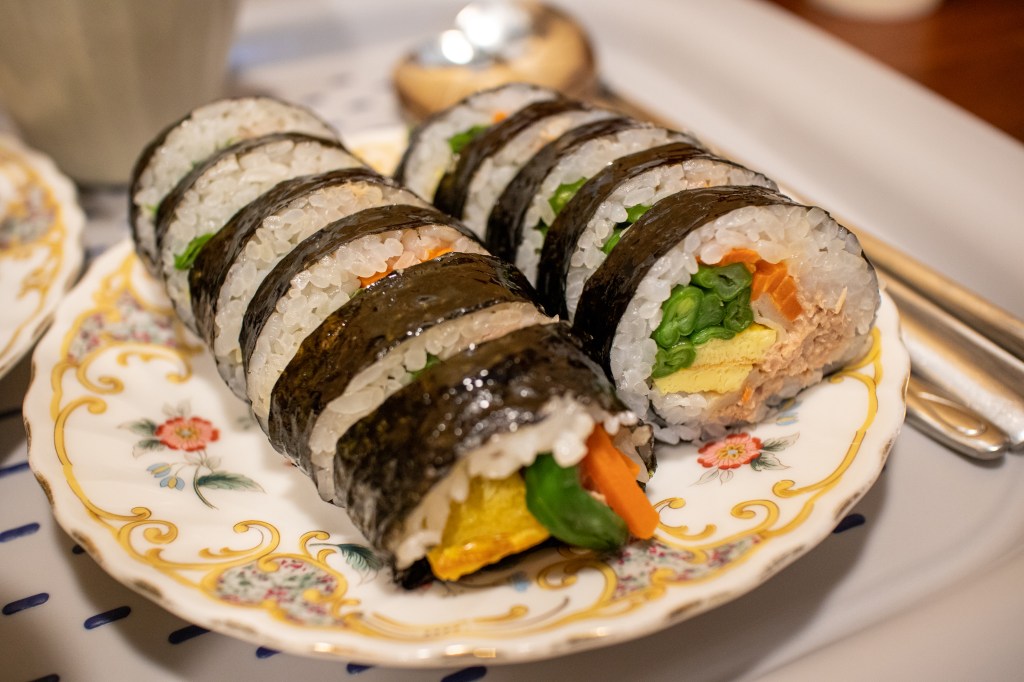
The second kimbap I had was the 고추장불고기 김밥 from 루비 떡볶이 (Ruby Tteokbokki). In this one, the extra spicy pork bulgogi was the star. This tteokbokki spot’s main menu is another popular Korean snack (and its namesake): 떡볶이. Theirs has a small, but flavorful, twist: tiny fried dried shrimp. Shrimp isn’t typically in tteokbokki, but 새우깡 떡볶이 features them and is named after Korea’s best-selling shrimp chips. This adds nuttiness and umami to the already tasty tteokbokki, and there’s extra flavor from the seafood broth they use.
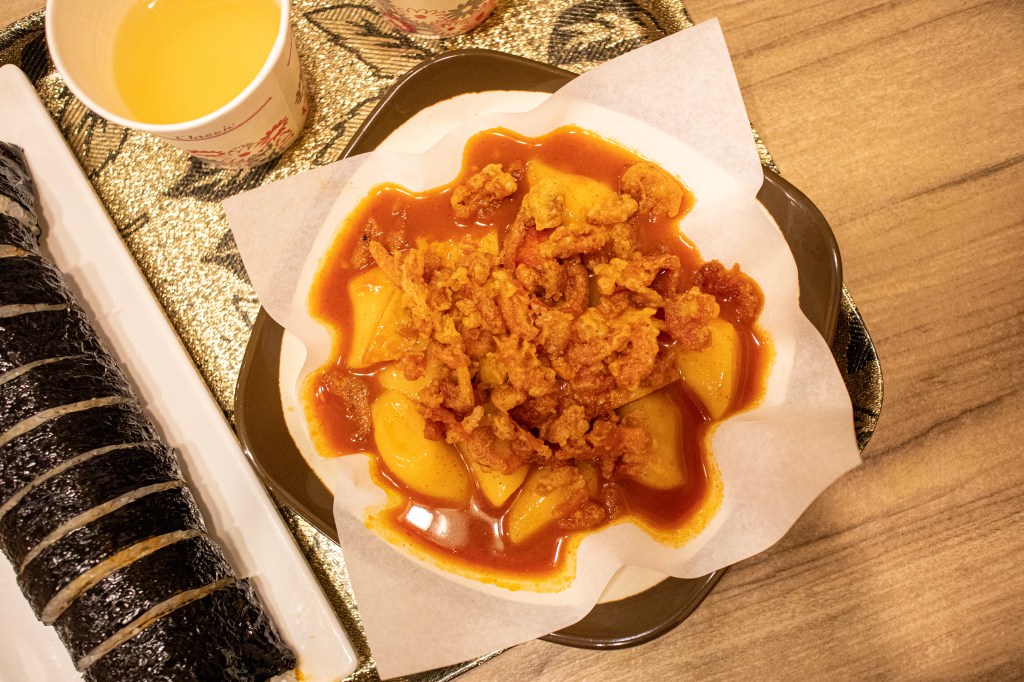
Tteokbokki is everywhere. We ate it once in a subway station, and it was great! Equally as tasty as tteokbokki is 떡꼬치, rice cakes on a stick. Tteokkochi is often quickly friend then brushed with a sweet and tangy sauce, and 풍년쌀농산 serves a good one. Each tteokkochi is about a dollar, and the highlight is the soft, chewy texture. Some tteokkochi shops have a sweeter or spicier sauce, but the sauce here is mild and lets the rice cake shine—after all, the shop name means “good harvest rice farm.” For both tteokkochi and tteokbokki, the magic is either in the sauce or the rice cake, but as long as there’s magic, the lines will be long.

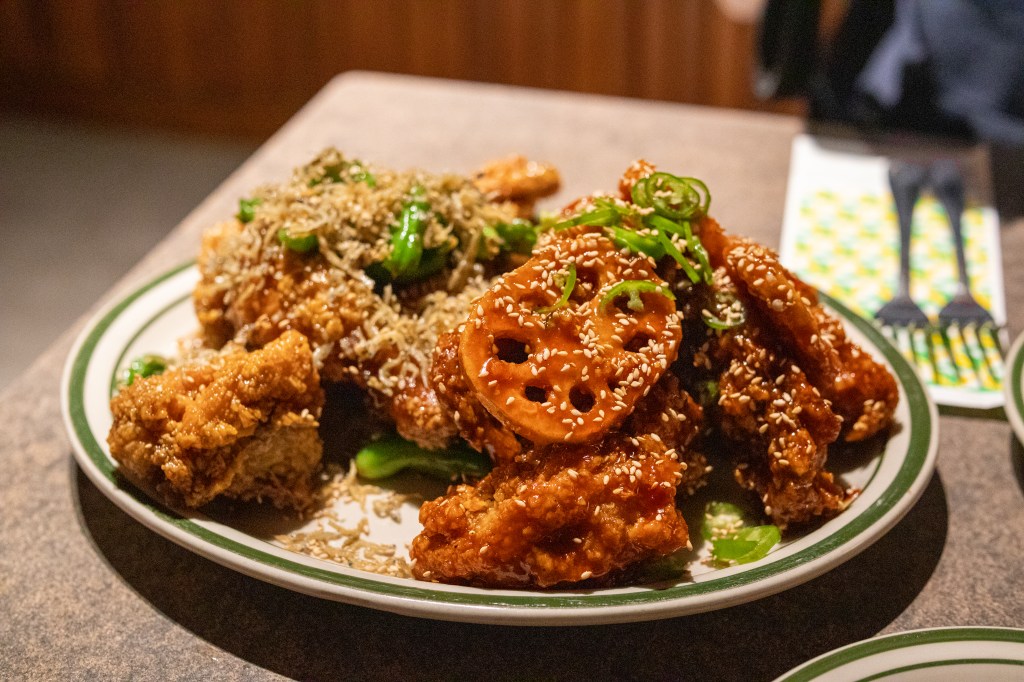
Fried chicken is another representative food of Korea. KFC usually can be divided into two categories: 시장통닭, which is an old-school market chicken with a light, crisp batter, and 치킨, which is the uber popular crunchy (and often saucy) global hit. Unfortunately, I didn’t get to have the market chicken this trip, even though I really love the simplicity of the flavor and how you can eat it fresh out of the fryer at a market. I did have the latter type of KFC at a new chicken chain called 효도치킨, or Filial Piety Chicken in English—yes, it literally registered as Filial Piety Chicken on my credit card statement. This place had a couple of unique flavors, including the 꽈리멸 chicken, a play on soy garlic with anchovies and peppers, and the 고마워 chicken, a garlicky take on the classic sweet and spicy with fried lotus root. Can KFC ever be bad? The answer is no, and FPC was of course delicious, and flavors were fun.
But wait! There’s a third KFC that sometimes gets overlooked: 닭강정. I’ve seen it translated to “chicken cookie” and honestly, that’s not wrong given that traditionally the sauce is sweet and sticky. Dakgangjeong is usually sweeter and crunchier than yangnyeom chicken, and the ones at 망원시장 (Mangwon Market) are boneless. 큐스 is the most popular stall, and the dakgangjeong was so good that we went back for seconds. It’s not as crunchy as some others I’vea had before, but the sauces more than make up for that. All the flavors were good, but the unexpected winner was the cheese mustard flavor.
Steamed and boiled chicken is just as important to Korean cuisine as fried chicken is. One of those boiled dishes is 닭백숙 (chicken baeksuk) which I had with my uncle and grandma at 성북동 누룽지백숙. A whole chicken is served, stewed with Korean herbal ingredients, and it’s very tender. Then it gets better—it comes with jook made from scorched rice and chicken stock. It’s incredibly simple but also incredibly flavorful. Baeksuk isn’t a trendy dish, however it’s a staple especially for 복날 when people flock to eat chicken to nourish their bodies to survive the summer heat.


Let’s talk a little more about boiled dishes for a second. You might think boiled meat ends up tough, but if you go to a spot that makes 보쌈 properly, you’ll change your mind. My uncle also took me to 천하보쌈, a casual joint where you sit on the floor and enjoy their standard set menu. This place quite possibly has the best bossam I’ve ever had, with silky tender meat and flavorful kimchi. I’m still not over the texture of the pork because I don’t think I’ve had bossam at that level before.

And of course, we can’t forget the quintessential Korean meal: 한정식. Hanjeongsik is a full course, full-table meal and sometimes there are dozens and dozens of banchan. Traditionally, all the dishes are placed on the table at the same time, but nowadays many popular hanjeongsik restaurants serve the meal in multiple courses. Hanjeongsik is a must when visiting Korea and the abundance of food on the table is unlike anything else. I tried a unique mostly-vegan hanjeongsik at 꽃밥에피다, a restaurant that serves beautiful dishes using only Korean grown ingredients. I had another rather casual hanjeongsik at 산채향, which was equally delicious and more affordable.
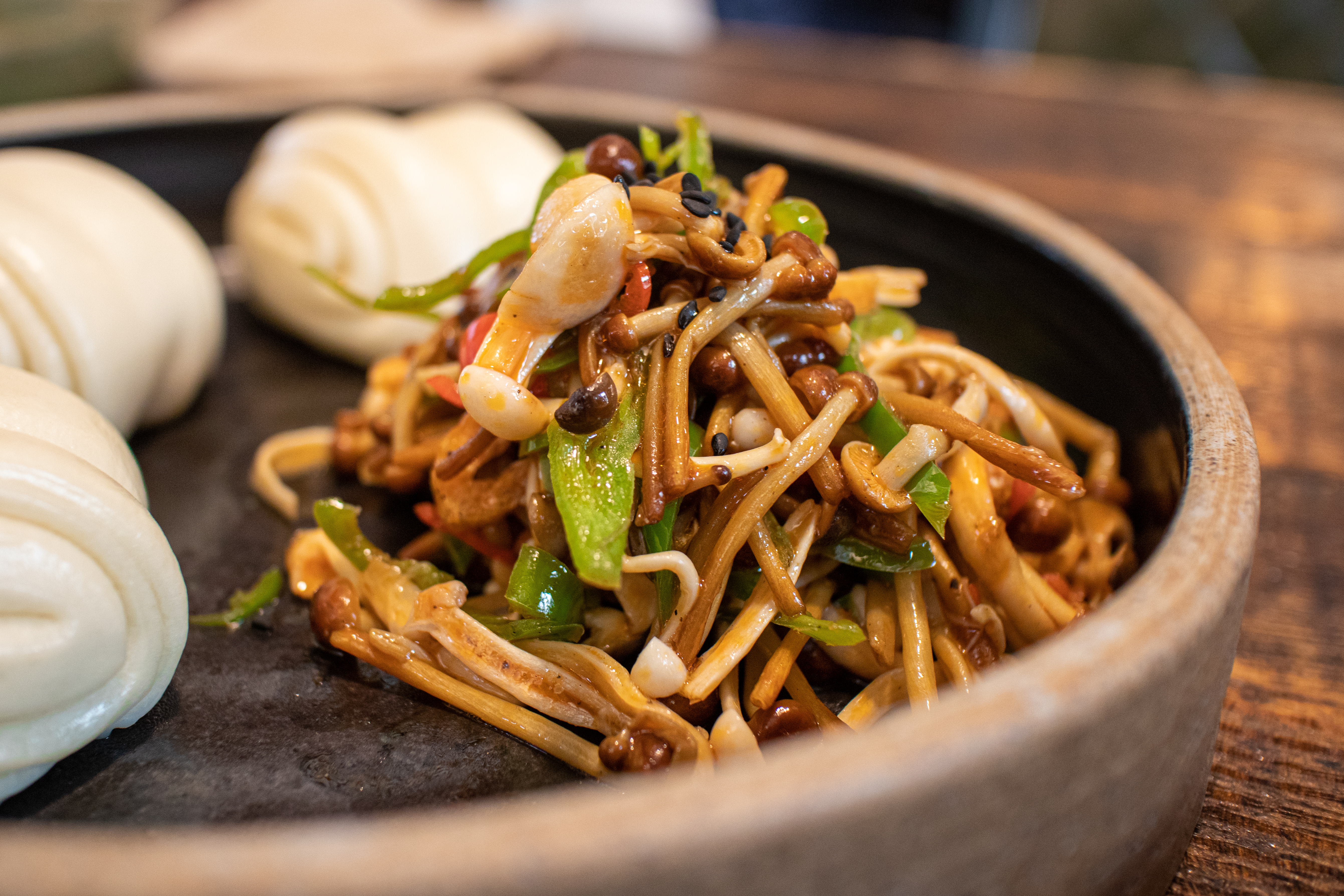


I also had a tasting menu at 묘미, and although the restaurant describes itself as fine-dining, I would argue that their menu borders on hanjeongsik since there are so many traditional ingredients and elements.
But there’s more that’s relevant to Korean dining culture!
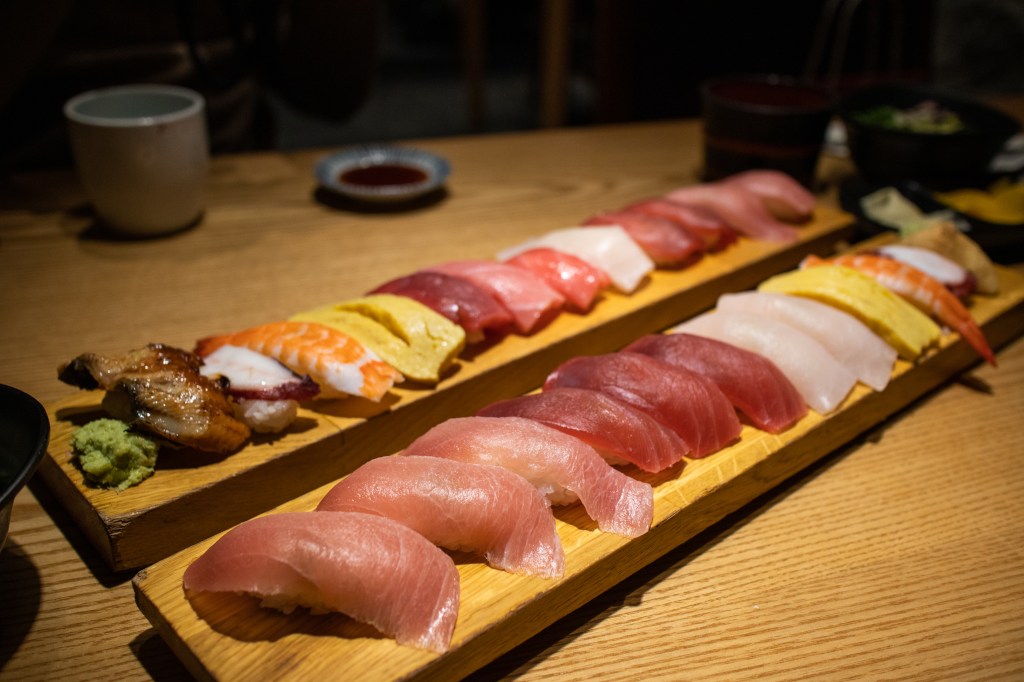
I would argue that newer food trends as well as food that isn’t originally Korean are still really important to Korean dining culture. For example, Seoul is where you’ll find some of the best Japanese restaurants outside of Japan. It makes sense given the geographic proximity, right? One of my favorite things is how you can find truly good sushi at any price point—I had an amazing sushi set for under $15 with melt-in-your-mouth tuna. But you can find plenty of omakase options, whether you want to spend $50 or $300. Tonkatsu, ramen, and udon are all incredibly popular as well, though I would argue that Korea still does udon a little better than ramen. And yes, the texture is far better than what you’ll find stateside.
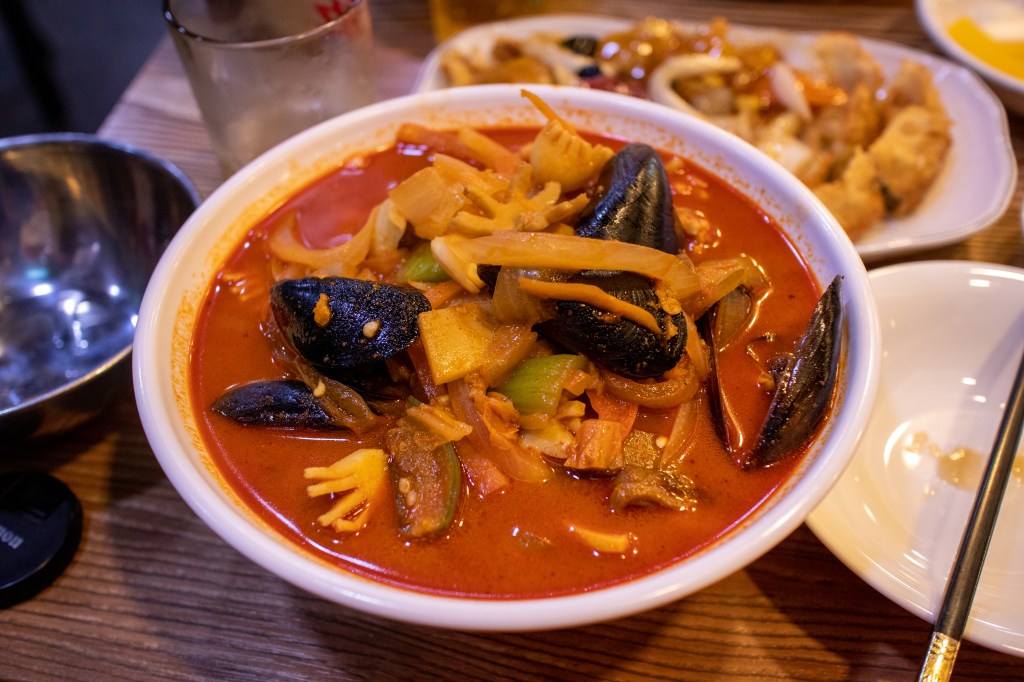
Similarly to Japanese food in Korea, Chinese food is deeply embedded into Koreans’ diets. Unlike Japanese food, which stays rather authentic in Seoul and the rest of Korea, Korean Chinese food is its own entity. 짜장면 (jjajangmyeon) is taken from zhajiangmian, though it has been so heavily adapted that jjajangmyeon doesn’t resemble or taste much like the original Chinese dish. That being said, Korean-Chinese food has always been popular as a delivery option, far before delivery apps were ever a thing. When it comes to jjajangmyeon and 짬뽕 (jjamppong), always order the spicy kind because it cuts through the richness of the dish and always go to a local joint. I almost always order jjajangmyeon, but I’ve learned since that jjamppong is sometimes a tastier call.
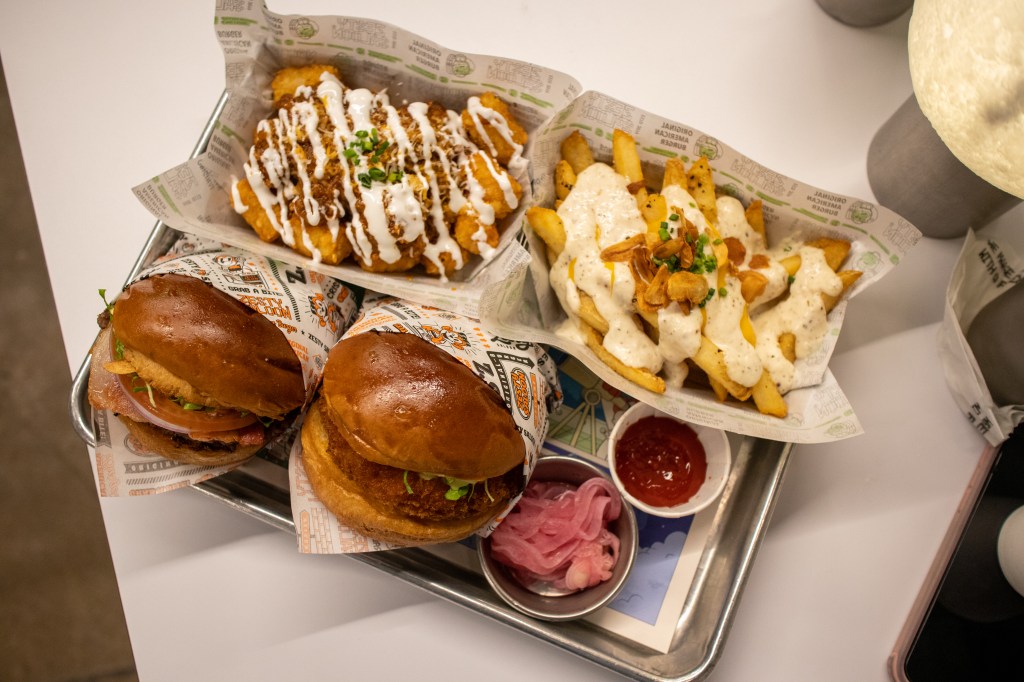
Seoul is also home to some surprisingly good American-influenced joints. And by American, I mean burgers. In Korean burger joints, there’s almost always a shrimp burger option, and this is likely due to the fact that shrimp burgers are bestsellers at fast food chains like Lotteria. While the shrimp burger at Lotteria holds a special place in my heart (and it’s the last thing I eat before departure at Incheon Airport), but Zesty Saloon’s wasabi shrimp burger is way better. I mean, just look at the thickness of the patty! My partner said the garlic burger was great, and so were the chili tots and garlic sauce fries. And of course, the tray of food was very ‘grammable.
Here’s something else that’s become prominent in Korea over the last two decades: cafes. In Seoul alone there are tens of thousand of cafes, and although most of them are large chains, smaller chains and independent shops are where it’s at. I will say that coffee in Korea is weaker than in the US…which is already weaker than in Europe and Latin America.

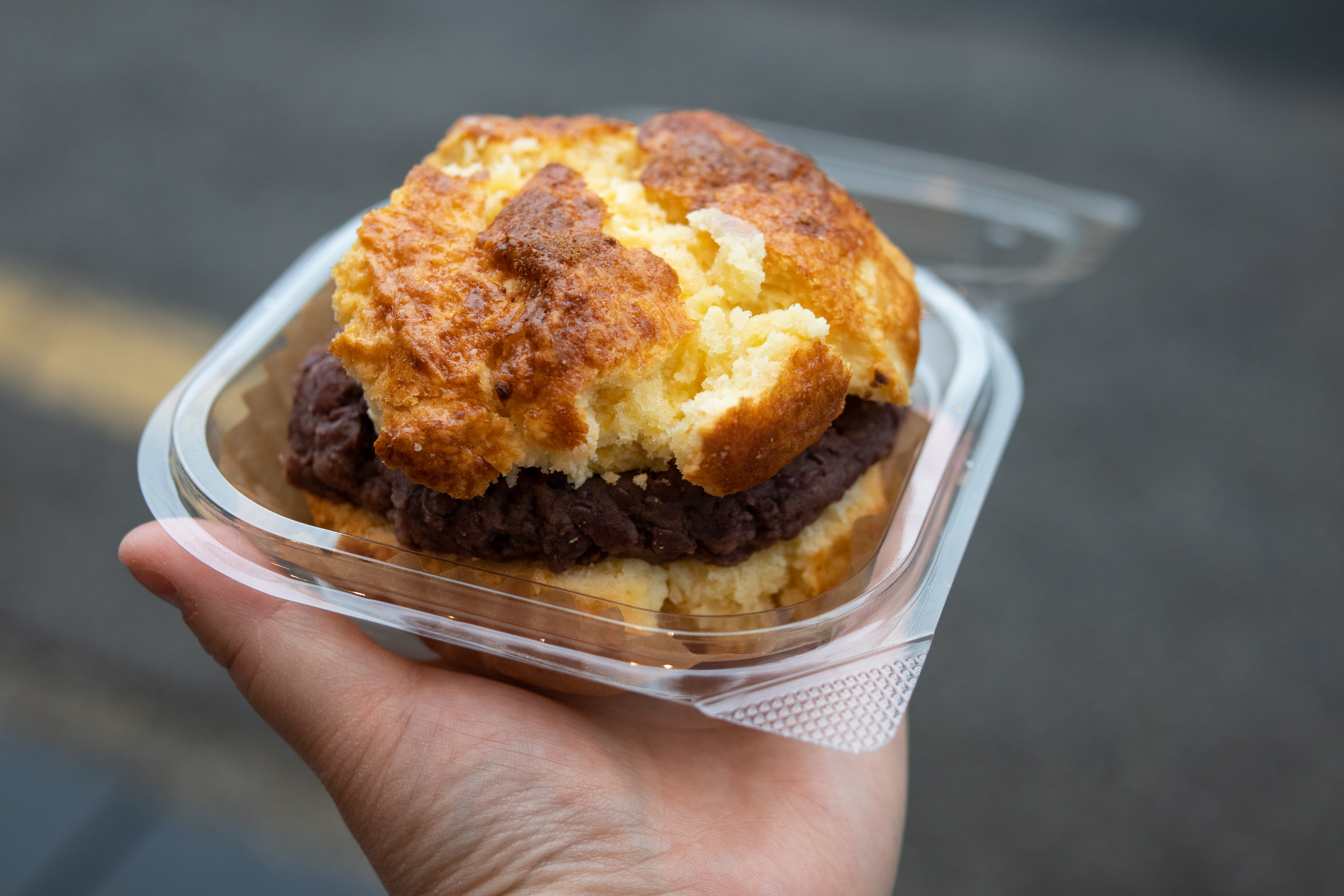


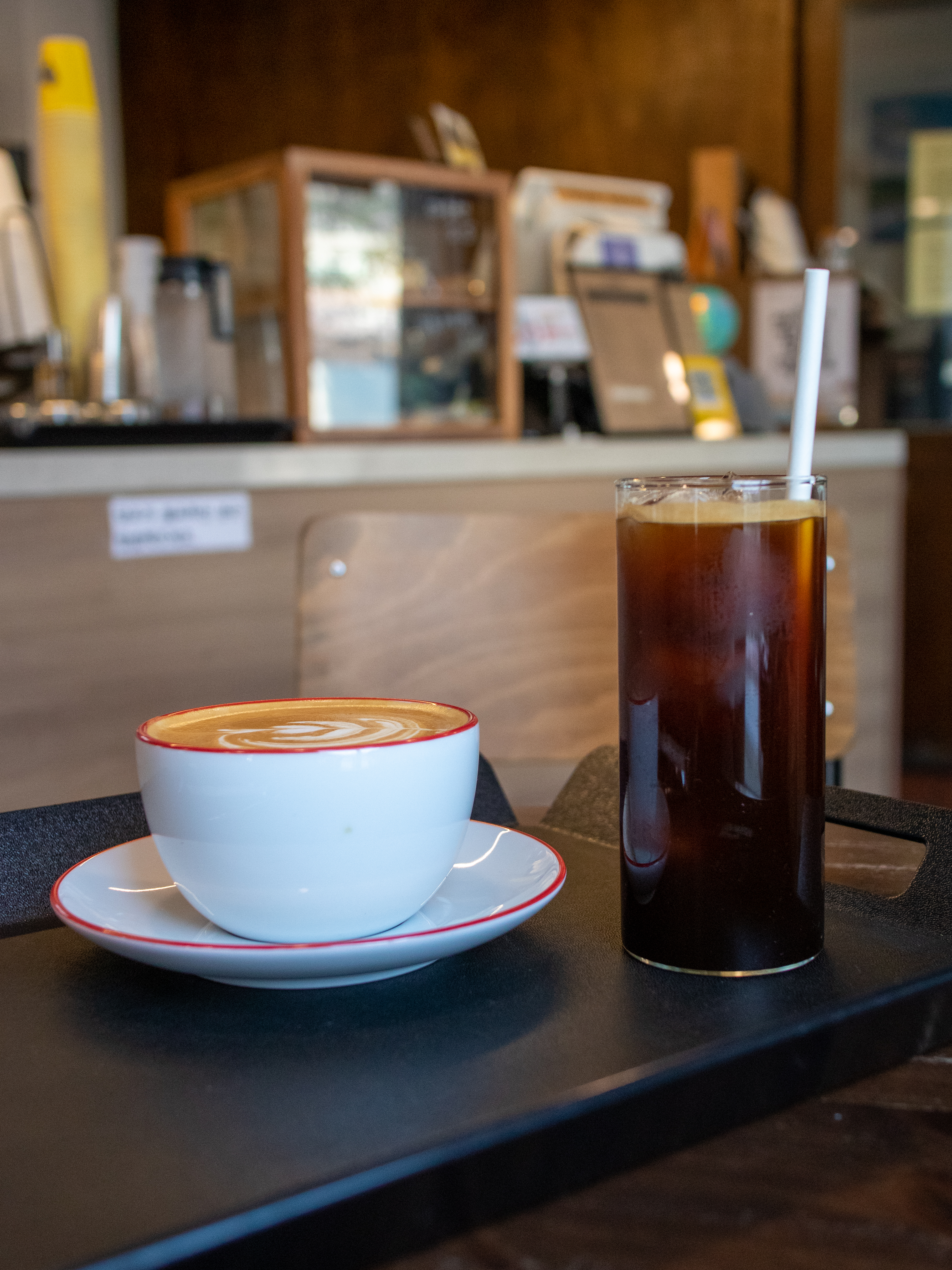
However, Seoul cafes make up for weak coffee by offering fun flavored lattes and really, really good bakery items. They’re nearly always aesthetically pleasing too, since everyone and their mom has some form of food blog online. But real talk, cafe culture is out of control in Seoul (in a good way), and I may have gone cafe hopping a few times myself. The two that I most enjoyed were the uber-popular Cafe Layered, for their cakes and scones, and Yaang Cafe Plant near my grandma’s apartment, for hands down the best coffee in the city. Ogin 23 is an honorable mention, as they had the best croffles and an interested take on tiramisu.
Coffee culture has changed over the years and so has drinking culture. Until even ten years ago, Korean ran on green soju bottles and macrobrews. Today, the craft beer scene has expanded and many breweries and bars featuring craft drinks have opened. 안씨막걸리 is a makgeolli bar that features special traditional liquor. Most traditional alcohol is made from rice, and Mr. Ahn’s makgeolli has a great selection of makgeolli, soju, and chungju, including Ahn’s signature house makgeolli. It was definitely a tourist spot, but I thought it was well worth it for the drink selection. The drinking snacks are really good too—I highly recommend the seasonal raw fish option they have.
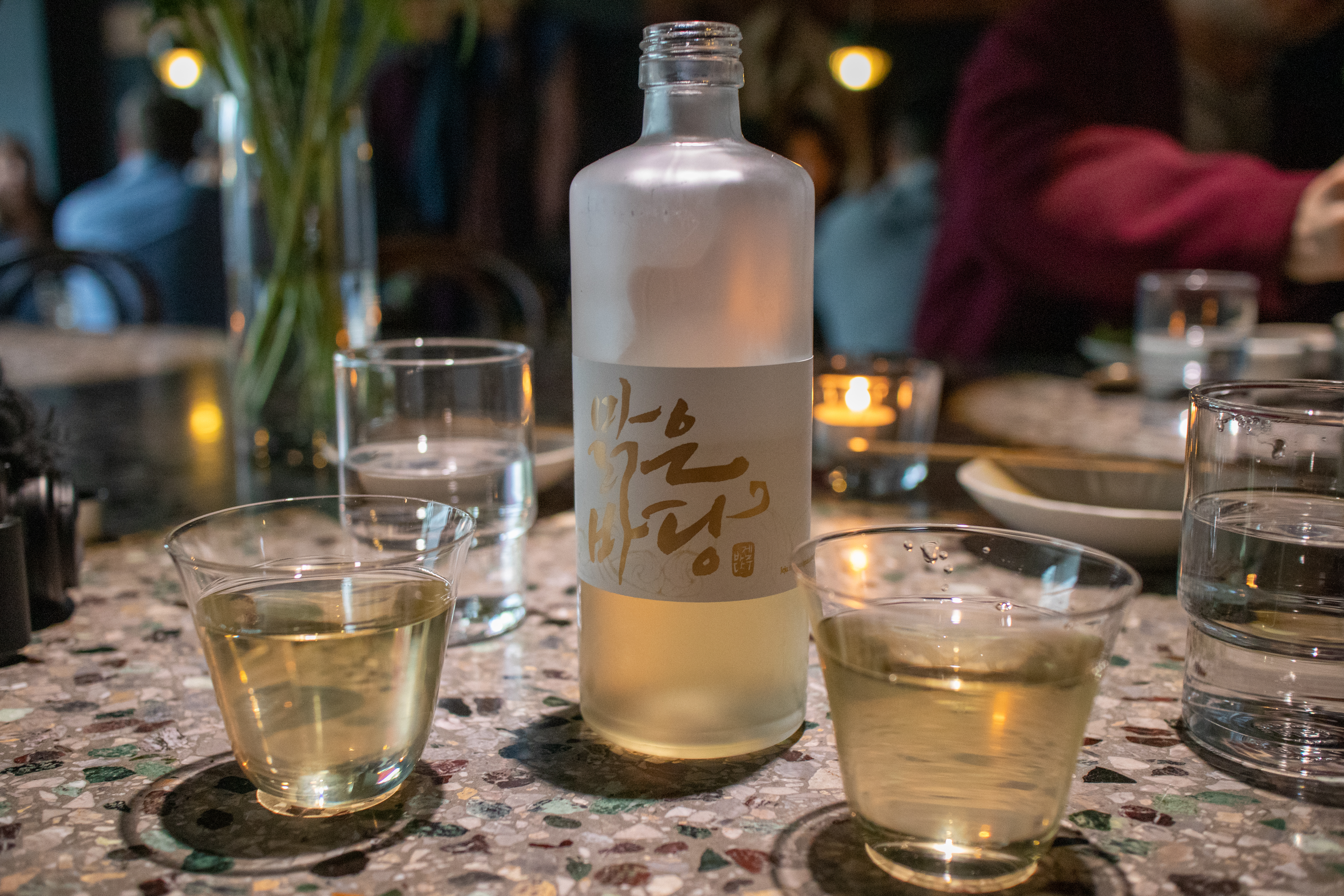

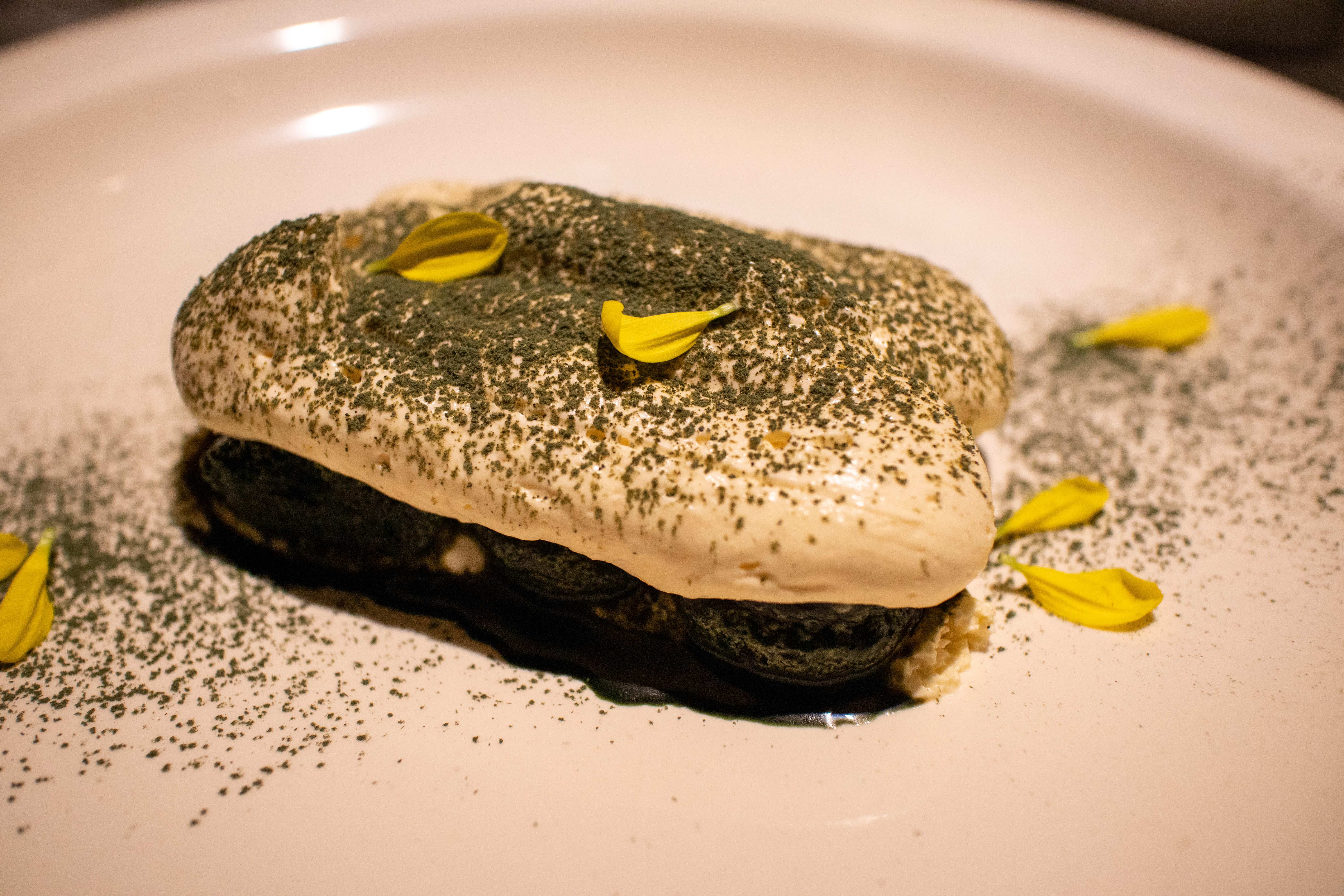
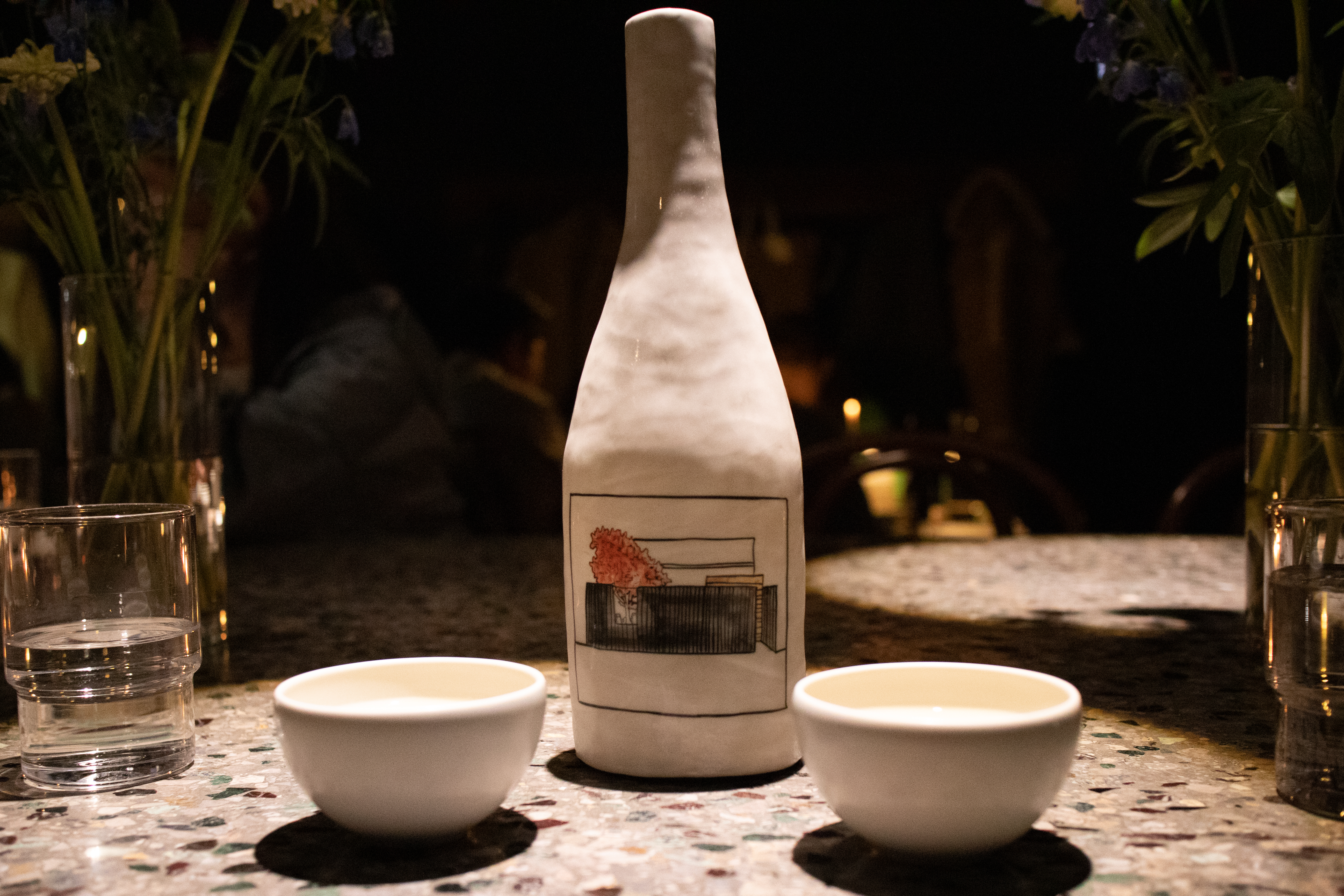
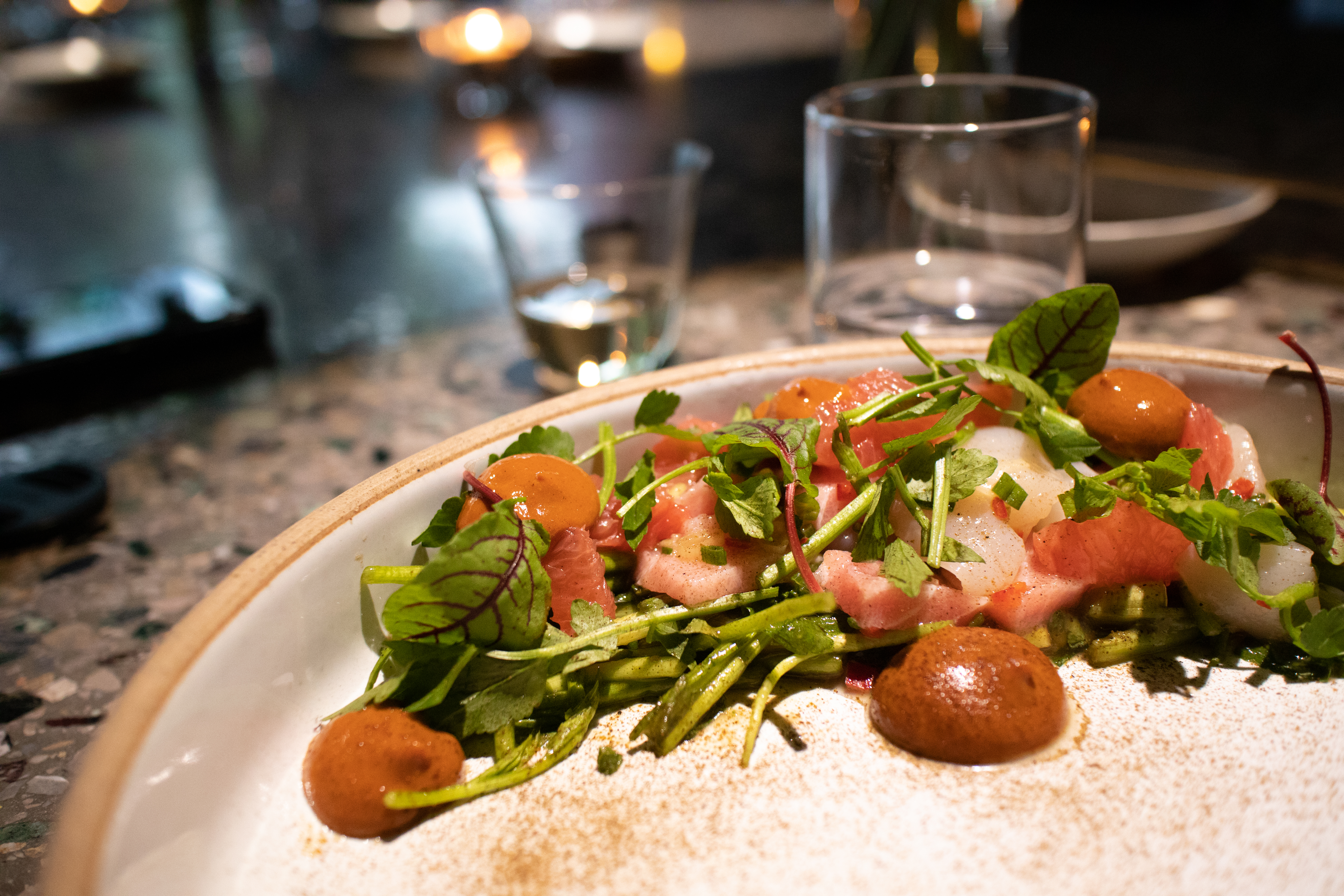
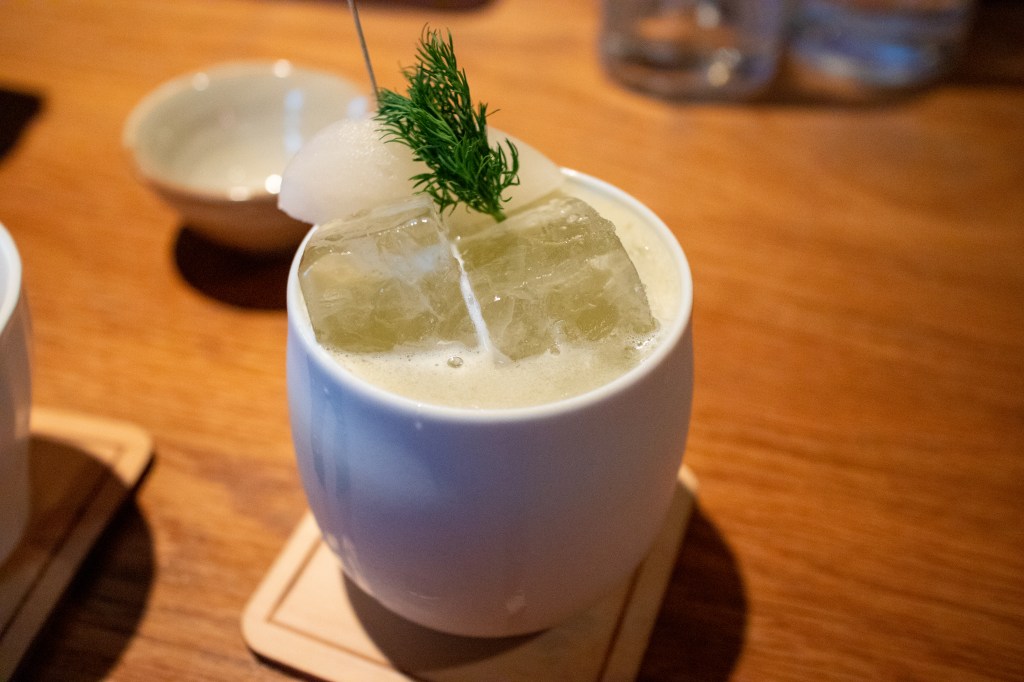
Oh, and don’t sleep on the cool cocktail bars in Seoul. One of my goals was to get a drink at Bar Cham, which was named as one of Asia’s best bars. One drink ended up turning into three, and how could it not when the cocktails are made with smoked pine, pickled quail’s egg, and fermented tea? There are many popular cocktail bars around the city, but I was really excited to get drinks with traditional ingredients and Korean-made liquor. I’m pretty excited to see how Korean drinking culture expands over the next few years given that I had so many great beverages.
Well, that’s a wrap! Or should I say that’s a ssam? There’s so much amazing food in Seoul and endless options to consume them all, and I’m finding myself mentally noting what I want to try when I return in a few years. In the meantime, I’ll be eating around New York’s best Korean spots, so catch me at Her Name is Han with their brunch set.
 Shin Hye Away
It looks so delicious!!!
부럽당~~~ㅜ
LikeLike